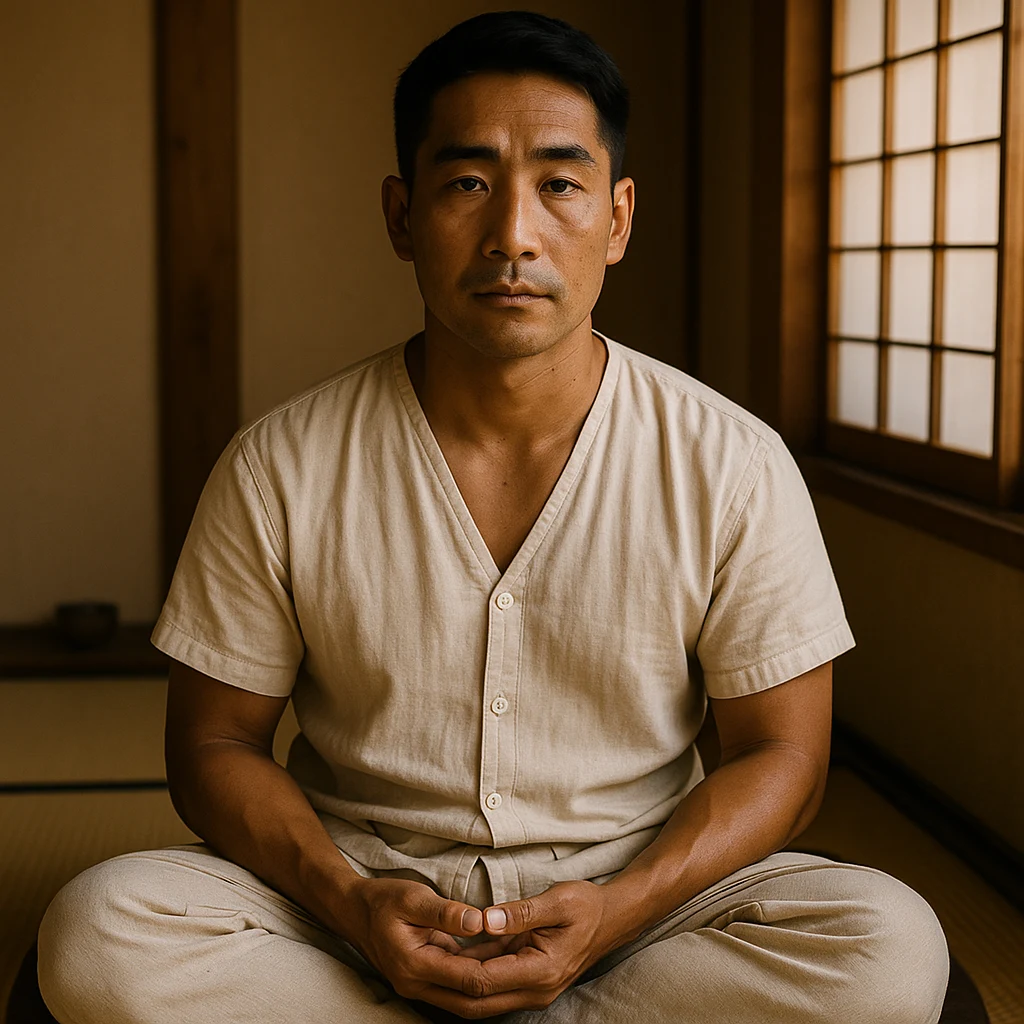

Meditation vs CBT for anxiety evidence reveals that both approaches demonstrate comparable clinical effectiveness for managing anxiety symptoms, with meditation showing particular strength in physiological regulation and CBT excelling in cognitive restructuring. Recent systematic reviews indicate that mindfulness-based interventions achieve similar outcomes to CBT in reducing anxiety severity, with effect sizes ranging from moderate to large across multiple studies. The choice between meditation and CBT often depends on individual preferences, accessibility, and the specific anxiety presentation rather than categorical superiority of one approach over the other.
Meditation and CBT are both evidence-based treatments for anxiety with comparable effectiveness. Meditation works through nervous system regulation and present-moment awareness, while CBT restructures thought patterns. Many individuals benefit from integrating both approaches for comprehensive anxiety management.
How Meditation and CBT Address Anxiety Differently
Meditation and cognitive behavioral therapy address anxiety through fundamentally different but complementary mechanisms that target distinct aspects of the anxiety response.
Meditation cultivates present-moment awareness and acceptance, allowing individuals to observe anxious thoughts and sensations without reactive engagement. This process strengthens the parasympathetic nervous system, reducing the physiological arousal that characterizes anxiety disorders.
CBT operates through systematic identification and restructuring of maladaptive thought patterns and avoidance behaviors. The therapeutic process teaches individuals to recognize cognitive distortions, challenge irrational beliefs, and gradually face feared situations through exposure protocols.
- Cognitive Behavioral Therapy (CBT)
- A structured, evidence-based psychotherapy that identifies and modifies dysfunctional thinking patterns and behaviors contributing to psychological distress.
The National Health Service (NHS) recognizes both approaches as first-line treatments for anxiety disorders, with treatment selection often guided by patient preference and practical considerations rather than differential effectiveness.
Clinical Evidence for Meditation in Anxiety Treatment
Meditation-based interventions demonstrate clinically significant anxiety reduction across multiple research studies, with mindfulness-based stress reduction (MBSR) and mindfulness-based cognitive therapy (MBCT) showing particular promise.
The National Institute for Health and Care Excellence (NICE) acknowledges mindfulness-based approaches as effective interventions for preventing anxiety relapse, particularly when integrated with other therapeutic strategies.
Research consistently shows that regular meditation practice correlates with measurable changes in brain regions associated with emotional regulation, including increased gray matter density in areas responsible for self-awareness and compassion.
- Mindfulness-Based Stress Reduction (MBSR)
- An eight-week structured program combining meditation, body awareness, and yoga to reduce stress and improve emotional regulation.
What we see at Nala
Our Anxiety 21-day program combines guided meditations from Nala and Tao with progressive relaxation techniques that address both cognitive and somatic anxiety symptoms. We've observed that users particularly benefit from the variety of approaches: Tao's mindfulness sessions cultivate present-moment awareness, while Nala's SOS meditations provide immediate nervous system regulation during acute anxiety episodes. The Sovaluna 5-phase method (somatique, vagale, respiration, descente, fréquentielle) that Kiran uses for deep sleep also demonstrates effectiveness for evening anxiety, as the vagal tone activation in phase two directly counters the sympathetic arousal characteristic of anxious states.
Clinical Evidence for CBT in Anxiety Treatment
Cognitive behavioral therapy represents the most extensively researched psychotherapeutic approach for anxiety disorders, with decades of clinical trials demonstrating robust effectiveness across diverse anxiety presentations.
The World Health Organization (WHO) identifies CBT as a primary evidence-based treatment for anxiety disorders, with particular effectiveness for generalized anxiety disorder, panic disorder, and social anxiety disorder.
CBT protocols typically involve 12-20 structured sessions addressing specific cognitive distortions and behavioral patterns. The therapeutic process includes psychoeducation, cognitive restructuring, exposure therapy, and relapse prevention strategies.
Clinical outcomes show that CBT produces lasting changes in anxiety symptoms, with treatment gains often maintained at follow-up periods extending several years beyond active therapy completion.
Comparing Effectiveness: What Research Shows
Direct comparative studies examining meditation versus CBT for anxiety generally find equivalent clinical outcomes, with both approaches achieving moderate to large effect sizes in symptom reduction.
Meta-analyses reveal no statistically significant differences in anxiety reduction between mindfulness-based interventions and CBT when comparing post-treatment outcomes, though individual response patterns vary considerably.
| Approach | Primary Mechanism | Session Structure | Accessibility | Long-term Practice |
|---|---|---|---|---|
| Meditation | Nervous system regulation, present-moment awareness | Self-directed or guided, flexible timing | High (apps, online resources) | Requires ongoing daily practice |
| CBT | Cognitive restructuring, exposure therapy | Therapist-led, scheduled sessions | Moderate (requires trained therapist) | Skills-based, less intensive after completion |
Research indicates that individual factors including personal preference, learning style, and specific anxiety triggers significantly influence which approach proves most beneficial for each person.
Response Patterns and Individual Differences
Some individuals respond more favorably to the somatic, experiential approach of meditation, while others benefit more from the structured, cognitive framework that CBT provides.
Anxiety presentations with strong physiological components often show particularly good response to meditation practices that directly target nervous system regulation through breathwork and body awareness.
Anxiety rooted in specific cognitive distortions or maintained through avoidance behaviors may benefit more immediately from CBT's systematic exposure and thought-challenging techniques.
Summer Anxiety: Seasonal Considerations
Summer anxiety encompasses specific triggers including schedule disruptions, social pressure, body image concerns, and heat-related physiological stress that may respond differently to meditation versus CBT interventions.
The seasonal nature of summer anxiety suggests that preventive approaches implemented before peak summer months may prove more effective than reactive interventions alone.
- Summer Anxiety
- Anxiety symptoms that emerge or intensify during summer months, often related to routine changes, social expectations, travel stress, or heat sensitivity.
Both meditation and CBT can be adapted for summer-specific anxiety triggers. Breathing exercises prove particularly valuable for heat-related anxiety, while CBT exposure protocols can address social situation avoidance common during summer gatherings.
Meditation practices emphasizing body temperature regulation and grounding techniques offer practical tools for managing the physiological discomfort that exacerbates summer anxiety symptoms.
Integrating Meditation and CBT for Optimal Outcomes
Combined approaches that integrate meditation practices within CBT frameworks demonstrate enhanced outcomes compared to either intervention alone, suggesting synergistic rather than competing mechanisms.
Mindfulness-Based Cognitive Therapy (MBCT) explicitly combines meditation training with cognitive therapy principles, creating an integrated approach that addresses both thought patterns and present-moment awareness.
Clinicians increasingly recommend complementary use of both approaches, with CBT providing structured therapeutic work and meditation offering daily self-regulation tools between sessions.
This integrated model proves particularly effective for individuals with recurrent anxiety, as meditation practice reinforces the awareness skills developed through cognitive therapy while CBT provides frameworks for understanding anxiety patterns observed during meditation.
Practical Implementation Strategies
An integrated approach might involve weekly CBT sessions complemented by daily meditation practice, with meditation serving as both a therapeutic tool and a means of implementing CBT principles.
Self-directed meditation for beginners can begin immediately while individuals wait for CBT therapy availability, providing anxiety relief during often-lengthy wait times for professional services.
Apps and guided meditation programs offer accessible entry points for establishing consistent practice that complements professional therapeutic work.
How Nala Can Help You
Nala provides comprehensive anxiety support through multiple evidence-based approaches that complement both meditation and cognitive behavioral frameworks. The Anxiety 21-day program guides you through progressive anxiety management techniques, while 14 free SOS sessions from Nala offer immediate relief during acute episodes. Tao's mindfulness-based sessions cultivate present-moment awareness similar to MBSR protocols, and Alma's hypnosis work addresses subconscious anxiety patterns. With 300+ bilingual guided sessions, 6 breathing techniques, and 37 ambient sounds for nervous system regulation, Nala supports both structured anxiety programs and flexible daily practice. The app's variety of experts and approaches allows you to discover which interventions resonate most effectively for your unique anxiety presentation.
Conclusion: Choosing What Works for You
The evidence comparing meditation vs CBT for anxiety demonstrates that both approaches offer robust, clinically validated pathways to anxiety reduction, with effectiveness depending more on individual factors than categorical superiority of either method.
Many individuals benefit most from integrating both approaches, using meditation for daily nervous system regulation and CBT principles for understanding and restructuring anxiety-maintaining patterns.
Summer anxiety, with its specific seasonal triggers, responds well to proactive implementation of either or both approaches before peak symptom periods. The accessibility of meditation through apps and online resources makes it an ideal starting point while exploring longer-term therapeutic options.
Whether you choose meditation, CBT, or an integrated approach, consistency and personalized adaptation prove more important than the specific method selected.
Disclaimer: This article provides wellness information and does not constitute medical advice. Anxiety disorders require professional evaluation. Consult qualified healthcare providers for diagnosis and treatment recommendations.
Sources
- National Health Service (NHS), Cognitive Behavioural Therapy overview and clinical applications
- National Institute for Health and Care Excellence (NICE), Clinical guidelines for anxiety disorder treatment
- World Health Organization (WHO), Mental health interventions for anxiety disorders