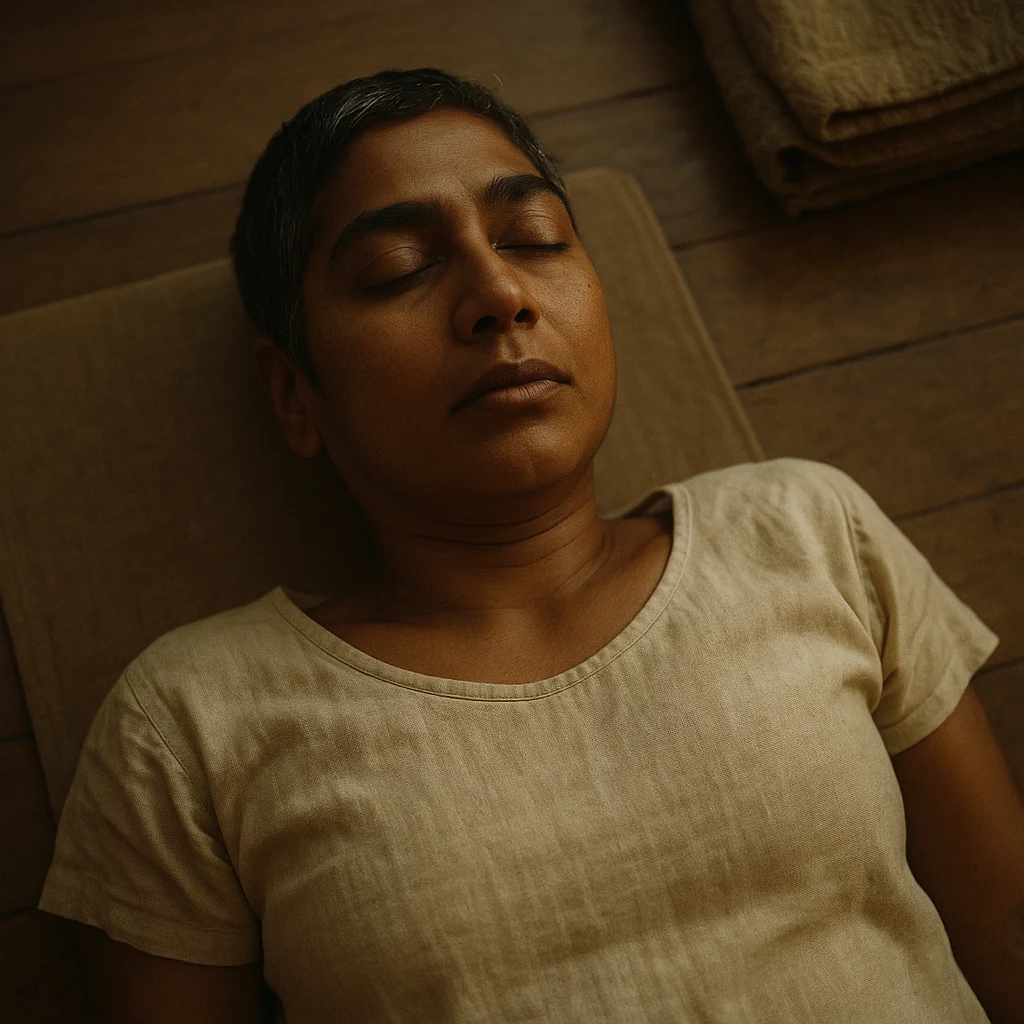

Meditation can lower blood pressure by reducing stress hormones, calming the nervous system, and promoting vascular relaxation. Regular mindfulness practices, breathwork, and body scan techniques have been shown to support cardiovascular health alongside conventional treatment, according to guidance from organizations like the American Heart Association and the NHS. These seven evidence-based meditation approaches offer practical pathways to help manage hypertension through daily practice, with sessions as brief as 10-15 minutes demonstrating measurable benefits for systolic and diastolic blood pressure readings over time.
Meditation supports blood pressure management by activating the relaxation response, reducing cortisol levels, and improving heart rate variability. Combining mindfulness, breathwork, and guided body awareness with medical treatment creates a comprehensive approach to hypertension care.
Why Meditation Affects Blood Pressure
Meditation affects blood pressure by triggering the parasympathetic nervous system, which counteracts the stress response that elevates cardiovascular pressure. When you practice meditation regularly, your body reduces production of stress hormones like cortisol and adrenaline that constrict blood vessels and increase heart workload.
The cardiovascular benefits stem from multiple physiological pathways. Deep breathing during meditation increases nitric oxide production, a molecule that helps blood vessels dilate and improves circulation. Meanwhile, focused attention practices calm the amygdala, the brain region responsible for processing stress and triggering the fight-or-flight response.
Cardiologists recognize that chronic stress contributes significantly to hypertension development and progression. By interrupting this cycle, meditation serves as a complementary tool alongside medication, diet modification, and exercise in comprehensive blood pressure management.
- Hypertension
- A medical condition characterized by persistently elevated blood pressure readings, typically defined as systolic pressure above 140 mmHg or diastolic pressure above 90 mmHg, which increases risk for heart disease, stroke, and kidney damage.
Mindfulness Meditation for Cardiovascular Health
Read also : Meditation beginners
Mindfulness meditation lowers blood pressure by teaching non-judgmental awareness of present-moment sensations, thoughts, and emotions without reactive patterns that trigger stress responses. This foundational practice involves sitting quietly while observing breath and bodily sensations, gently redirecting attention when the mind wanders.
The technique works particularly well for hypertension because it addresses the psychological factors that elevate blood pressure: rumination, worry, and chronic tension. By cultivating a calm, accepting relationship with internal experiences, practitioners reduce the constant activation of stress pathways.
Start with 10 minutes daily, sitting comfortably with eyes closed. Focus on natural breathing without forcing or controlling it. When thoughts arise, acknowledge them without judgment and return attention to the breath. Gradually increase session length as the practice becomes more familiar.
Nala's expert Tao specializes in mindfulness and focus practices, offering structured sessions that build this foundational skill progressively. The app's 10-day Foundations program introduces mindfulness principles specifically designed for beginners seeking cardiovascular wellness support.
Cardiac Coherence Breathing
Cardiac coherence breathing is a specific breathing pattern that synchronizes heart rate variability with respiratory rhythm, creating measurable improvements in blood pressure regulation. This technique involves breathing at approximately 5-6 cycles per minute, which optimizes the balance between sympathetic and parasympathetic nervous system activity.
The practice is straightforward: inhale for 5 seconds, exhale for 5 seconds, maintaining this rhythm for 5 minutes. This "365" method (3 times daily, 6 breaths per minute, 5 minutes per session) has become widely recommended by cardiologists for stress-related hypertension.
The cardiovascular benefits appear rapidly, with some practitioners noticing calmer heart rhythms within days. Long-term practice strengthens baroreflex sensitivity, the body's natural blood pressure regulation mechanism, making it more responsive and adaptive to daily stressors.
- Heart Rate Variability
- The variation in time intervals between consecutive heartbeats, which reflects the nervous system's ability to respond adaptively to stress and indicates overall cardiovascular resilience and autonomic nervous system balance.
Lila, Nala's breathwork and body awareness expert, guides users through 6 different breathing techniques including cardiac coherence patterns. These sessions provide audio cues that eliminate the need to count, making the practice effortless and sustainable for daily blood pressure support.
Body Scan Meditation
Read also : Sleep meditation
Body scan meditation reduces blood pressure by systematically releasing muscular tension throughout the body while cultivating somatic awareness that interrupts stress patterns. This practice involves mentally scanning from head to toe, noticing sensations in each body region without attempting to change them.
The technique addresses a common hypertension contributor: chronic muscle tension that signals danger to the nervous system and maintains elevated stress hormone levels. By consciously relaxing muscle groups sequentially, practitioners send safety signals to the brain that allow cardiovascular relaxation.
Begin lying comfortably on your back. Direct attention to your head, noticing any tension, temperature, or tingling. Slowly move awareness down through neck, shoulders, arms, torso, and legs, spending 30-60 seconds on each area. When tension is discovered, other apps into that region and allow softening without force.
Elena specializes in deep body awareness and compassion practices within Nala, offering body scan sessions that combine physical relaxation with emotional release. Her approach recognizes that hypertension often carries psychological dimensions that benefit from gentle, embodied attention.
Loving-Kindness Meditation
Loving-kindness meditation lowers blood pressure by cultivating positive emotions toward oneself and others, which reduces inflammatory markers and stress hormones associated with cardiovascular disease. This practice involves silently repeating phrases of goodwill while visualizing specific individuals or groups.
The cardiovascular benefits stem from the emotional shift away from hostility, resentment, and social stress, all recognized risk factors for hypertension. By generating feelings of warmth and connection, practitioners activate neural pathways associated with safety, bonding, and relaxation.
Traditional phrases include: "May I be safe, may I be healthy, may I be at ease." After directing these wishes toward yourself for several minutes, extend them to loved ones, neutral individuals, difficult people, and finally all beings. The sequence typically takes 15-20 minutes.
Elena's compassion-focused sessions integrate loving-kindness principles with body awareness, creating a holistic approach that addresses both the physical and emotional dimensions of blood pressure management. This combination proves particularly helpful for individuals whose hypertension connects to interpersonal stress or self-criticism.
Guided Hypnosis for Stress Reduction
Guided hypnosis reduces blood pressure by accessing subconscious stress patterns and reframing automatic responses that trigger cardiovascular activation. This therapeutic approach uses focused attention and suggestibility to create deep relaxation states that reset nervous system reactivity.
Unlike meditation that emphasizes present-moment awareness, hypnosis works with imagination and suggestion to restructure habitual stress responses. A trained practitioner guides listeners into a relaxed, focused state, then offers suggestions that promote vascular relaxation, emotional calm, and perspective shifts on stressors.
The technique proves especially valuable for individuals whose hypertension connects to specific anxiety triggers, traumatic stress, or deeply ingrained worry patterns. By working at a subconscious level, hypnosis can address root causes that conscious meditation alone might not reach.
- Relaxation Response
- A physiological state characterized by decreased heart rate, lower blood pressure, reduced oxygen consumption, and slower breathing that counteracts the stress response and promotes cardiovascular recovery and nervous system balance.
Alma, Nala's hypnosis specialist, creates sessions specifically designed for stress-related health concerns. Her approach combines clinical hypnotherapy principles with accessible audio guidance, making this powerful technique available for daily home practice without clinical appointments.
Transcendental Meditation
Transcendental Meditation is a specific technique involving silent repetition of a personal mantra for 20 minutes twice daily, which research suggests may support blood pressure reduction through deep physiological rest. This standardized approach has been studied extensively in cardiovascular contexts, with organizations like the American Heart Association acknowledging its potential complementary role.
The practice creates a distinctive state of restful alertness where the body enters deep relaxation while the mind remains awake and aware. This combination appears to reset stress response systems more profoundly than simple rest or sleep.
Traditional Transcendental Meditation requires instruction from certified teachers who provide individualized mantras. However, the underlying principle of effortless mantra repetition can be adapted: choose a simple, meaningless sound or word, sit comfortably with eyes closed, and silently repeat it without concentration or effort, allowing the mind to settle naturally.
Noam, Nala's advanced meditation expert, offers sessions that incorporate mantra-based approaches alongside other concentration techniques. His guidance helps practitioners develop the effortless attention quality characteristic of deeper meditation states that support cardiovascular wellness.
Movement-Based Meditation Practices
Movement-based meditation combines gentle physical activity with mindful awareness, lowering blood pressure through both the cardiovascular benefits of movement and the stress reduction of meditative focus. Practices like walking meditation, yoga, and tai chi integrate breath coordination with deliberate, flowing movements.
These approaches prove particularly valuable for individuals who find seated meditation uncomfortable or who respond better to kinesthetic practices. The physical component provides a concrete anchor for attention while promoting circulation, flexibility, and muscular relaxation.
Walking meditation involves moving slowly and deliberately while maintaining full awareness of each step, the sensation of feet touching ground, and the rhythm of breath. This practice can be done anywhere and easily integrates into daily life, making it sustainable for long-term blood pressure management.
Lila's body awareness sessions within Nala include gentle movement sequences that combine breathwork with physical release. These practices help users who benefit from somatic approaches to stress reduction, addressing the embodied nature of hypertension that purely mental techniques might miss.
Comparing Meditation Techniques for Blood Pressure
| Technique | Duration | Primary Mechanism | Best For |
|---|---|---|---|
| Mindfulness Meditation | 10-20 min daily | Reduces stress reactivity through present-moment awareness | General stress-related hypertension |
| Cardiac Coherence | 5 min, 3x daily | Synchronizes heart rhythm with breathing | Quick stress relief, workplace practice |
| Body Scan | 15-30 min | Releases muscular tension throughout body | Tension-related blood pressure elevation |
| Loving-Kindness | 15-20 min | Cultivates positive emotions, reduces hostility | Interpersonal stress, social anxiety |
| Guided Hypnosis | 20-30 min | Addresses subconscious stress patterns | Deep-rooted anxiety, trauma response |
| Mantra Meditation | 20 min, 2x daily | Creates deep physiological rest | Established practice routine seekers |
| Movement Meditation | 15-30 min | Combines physical and mental relaxation | Kinesthetic learners, restlessness |
Building a Daily Practice for Blood Pressure Management
Consistency matters more than duration when using meditation to support blood pressure management. Starting with just 5-10 minutes daily creates sustainable habits that compound over weeks and months, whereas ambitious schedules often lead to abandonment.
Choose a specific time and location for practice to build automatic routines. Morning sessions set a calm tone for the day and ensure completion before daily demands interfere. Evening practices help process accumulated stress and improve sleep quality, another crucial factor in blood pressure regulation.
Track your blood pressure readings alongside meditation practice to observe correlations and maintain motivation. Many practitioners notice gradual reductions over 4-8 weeks of consistent practice, though individual responses vary significantly based on hypertension causes and severity.
Practical Tips for Beginners
- Start with guided sessions rather than silent practice to maintain focus and learn proper technique
- Use the same comfortable seat or cushion each time to create environmental cues for relaxation
- Set realistic expectations: meditation supports but doesn't replace medical treatment for hypertension
- Experiment with different techniques to discover which approaches resonate personally
- Consider joining a program that provides structure and progression rather than random session selection
Nala offers 14 free SOS sessions through its specialist Nala for immediate stress relief when blood pressure concerns arise. These quick interventions provide accessible support during challenging moments while building toward more sustained practice habits.
Combining Meditation with Lifestyle Changes
Meditation works synergistically with other evidence-based approaches to hypertension management. The stress reduction and improved sleep from regular practice often make dietary changes easier to maintain and increase motivation for physical activity.
Organizations like the NHS and WHO emphasize comprehensive cardiovascular care that includes stress management, nutrition, exercise, medication when needed, and regular monitoring. Meditation fits naturally into this framework as the behavioral component that addresses psychological stress factors.
The improved body awareness from meditation often helps practitioners recognize tension patterns, emotional eating triggers, and other behaviors that indirectly affect blood pressure. This metacognitive shift supports better health decisions across multiple domains simultaneously.
How Nala Supports Your Blood Pressure Journey
Nala provides 300+ guided meditation and breathwork sessions specifically designed to address stress-related health concerns including hypertension. The app's 13 specialized experts offer diverse approaches, from Tao's mindfulness practices to Lila's breathwork techniques and Alma's stress-reduction hypnosis.
The Anxiety 21-day program helps address the psychological stress that contributes to elevated blood pressure, while the 10-day Foundations program builds sustainable meditation habits for cardiovascular wellness. Each session is available in both English and French, with expert guidance that eliminates guesswork from establishing effective practice.
With 37 ambient sounds for extended relaxation sessions and 15 micro-meditations for quick stress relief throughout the day, Nala adapts to your schedule and needs. The 7-day free trial allows exploration of different techniques to discover which approaches work best for your unique blood pressure management journey.
Conclusion: Meditation as Part of Comprehensive Hypertension Care
Meditation offers a valuable complementary approach to blood pressure management that addresses the stress, tension, and nervous system dysregulation underlying many cases of hypertension. The seven techniques explored provide practical, evidence-informed pathways to cardiovascular wellness through daily practice.
While meditation supports blood pressure reduction, it should complement rather than replace medical advice, prescribed medications, and lifestyle modifications recommended by healthcare providers. The most effective approach integrates multiple evidence-based strategies tailored to individual circumstances and hypertension causes.
Beginning with just 5-10 minutes daily and gradually building consistency creates sustainable habits that serve cardiovascular health for years. Whether through mindfulness, breathwork, body awareness, or guided hypnosis, regular meditation practice offers accessible support for the millions managing hypertension worldwide.
Disclaimer: This article provides wellness information and should not replace professional medical advice. Hypertension requires proper diagnosis and treatment by qualified healthcare providers. Always consult your doctor before starting new wellness practices or modifying prescribed treatment plans.
Sources
- World Health Organization (WHO), Hypertension and cardiovascular disease prevention guidelines
- National Health Service (NHS), High blood pressure (hypertension) treatment and lifestyle approaches
- American Heart Association, Mind-body practices and cardiovascular health scientific statements
- National Institute for Health and Care Excellence (NICE), Hypertension in adults: diagnosis and management clinical guidelines